Accredited USA Lab
Testing performed by a fully accredited laboratory in the United States.
We Guarantees Our DNA Test Results
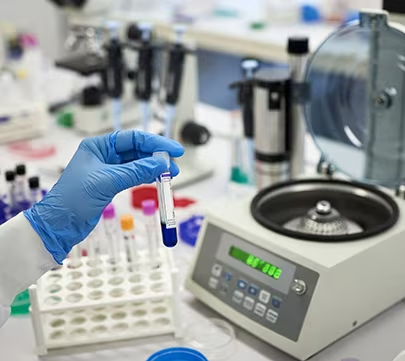
Testing performed by a fully accredited laboratory in the United States.
Trusted by families nationwide for over two decades.
Higher marker count for greater accuracy and confidence.
Quick turnaround with complete confidentiality.
Our streamlined process makes it easy to choose the right DNA test, place a secure order, and get reliable results with confidence.
Shop DNA Test KitsChoose the type of relationship that you need DNA answers for, and who is available to do the testing.
Decide if you need answers for just personal knowledge or if you need answers for court or other legal matter.
Place order online on our secure shopping cart with credit card or PayPal. DNA test kit is delivered overnight.
For over 25 years, families across the United States have trusted PaternityUSA for reliable DNA testing and knowledgeable client support, serving hundreds of thousands of clients nationwide with fast, confidential results.
“In my opinion I am very satisfied. I have an adult daughter that’s 24 years old now that I did not know I had. The results came in very quickly, took a couple of days, and I am very pleased with this product. If I need it again, this is what I’ll get. I will definitely recommend this to anybody that needs to do a DNA test.”

Search Products